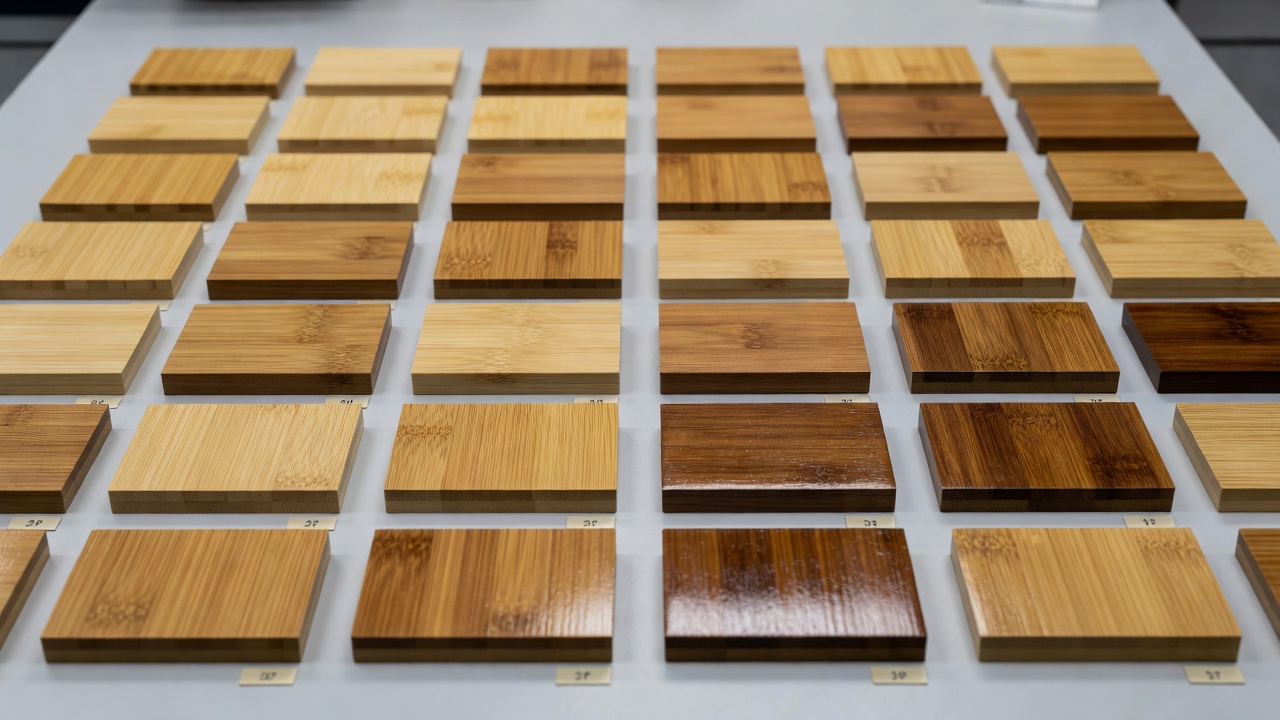
Decide what the surface must do
Before choosing oil, wax or a film-forming coating, describe the service conditions. Will the piece be handled frequently, wiped with a damp cloth or kept near a window? Does it need a low-sheen feel or a more easily cleaned surface? Those questions are more useful than asking which finish is “best for bamboo.” Different products within the same broad category can behave quite differently.
A coating does not restore a split culm, improve a poorly fitted joint or replace appropriate preservation. It may slow some moisture exchange, but that does not make the assembly waterproof. Keep the structural inspection separate from the surface decision. Repair, reject or seek advice about a defective part before spending time making it look finished.
Read the product information first
Use the manufacturer’s technical data sheet to check suitable substrates, preparation, application conditions, coverage guidance, recoating windows and full cure. Read the safety data sheet for handling, ventilation, protective equipment and disposal. A low-odour or water-based product is not automatically harmless. Avoid mixing products or cleaning chemicals unless the manufacturer explicitly supports the combination.
“Dry to touch” and “fully cured” are different states. A surface may feel ready while remaining vulnerable to pressure, water or cleaning. Schedule the project around the actual product instructions rather than a generic drying time. Temperature, humidity, application thickness and airflow can all affect the result. Record those conditions so that a successful sample can be repeated.
Prepare without removing useful material
Inspect the surface for contamination, adhesive residue, raised fibres and sharp edges. Bamboo’s outer surface can be relatively hard and difficult to coat consistently. Preparation must suit the product and material; aggressive sanding is not a universal answer. Excessive removal can change the appearance and reduce the remaining wall at vulnerable details.
Use stable support and appropriate dust extraction. Keep sanding dust away from ignition sources and follow suitable respiratory protection guidance for the task. Remove dust using a method compatible with the finish. Do not introduce an unapproved solvent as a shortcut. If the treatment history of the bamboo is unknown, identify it before sanding or applying heat.
Practice: build a finish comparison
Take offcuts from the same batch as the project and label their backs. Keep one untreated sample as a control. For each proposed finish, prepare another sample according to the manufacturer’s instructions. If you want to compare preparation methods, change only that variable and use clearly separate labels. Otherwise a difference in colour may be impossible to explain.
- Record stock identifier and surface preparation.
- Record the exact finish, coat sequence and application date.
- Note workshop conditions and the full cure requirement.
- Compare appearance in the same lighting.
- Assess feel only when the product is safe to handle.
- Keep the samples for later maintenance decisions.
After full cure, compare the samples under realistic, low-risk conditions consistent with the product’s instructions. For example, assess whether normal wiping changes the sheen or leaves an obvious mark. Do not invent a food-contact, heat-resistance or outdoor-durability claim from an informal experiment. If a use needs a specific approval, obtain evidence that applies to the exact cured product and application.
What does this lesson demonstrate?
A useful result is a documented surface choice and a repeatable preparation method. A pleasant-looking sample is not proof of long-term weather resistance, food safety or the strength of the furniture beneath it.
Compare maintenance as well as appearance
Some finishes are relatively straightforward to refresh locally, while others may require more extensive preparation for repair. Read the product’s maintenance instructions and consider access around joints and bindings. A finish that looks excellent on a flat offcut may be difficult to apply evenly inside a crowded connection. Test a representative shaped sample if the furniture has awkward details.
Use compatible cleaning methods and inspect high-contact areas. If the surface begins to peel, become sticky or show moisture damage, identify the cause before adding another coat. Trapped moisture, incompatible products and inadequate curing require different responses. Do not seal over a developing split merely to restore a tidy appearance.
Handle finishing waste responsibly
Some oil-containing products can cause contaminated rags to self-heat and ignite. Follow the product and local fire-safety instructions for handling and disposal; do not leave used rags in a heap or put them straight into ordinary rubbish. Keep coatings, solvents and waste away from children, pets and ignition sources. Store materials in their labelled containers.
Finally, write a short care note for the piece: intended environment, approved cleaning, inspection points and the product used. For outdoor furniture, surface coating is only one part of a larger design involving preservation, exposure, drainage and maintenance. Seek appropriate advice rather than treating an indoor practice result as outdoor qualification. Your finished record should explain both why you chose the surface and what remains unproven.